
The Bedtime Battle: How to Build a School-Night Teeth Brushing Routine That Actually Works
 It's 8:30 on a school night. Homework is finished, backpacks are packed, and everyone is finally getting ready for bed. There's just one more thing to do: brush those teeth. Suddenly, your child is too tired, needs another drink of water, or insists they already brushed. What should take two minutes can turn into a nightly negotiation.
Sound familiar?
For many parents, getting children to brush their teeth before bed is one of the more frustrating parts of the evening. Between school, sports, homework, and family activities, bedtime routines can quickly become a challenge.
Why Brushing Before Bed Is So Important for Children
After a busy day of eating meals, enjoying snacks, and drinking beverages, bacteria and food particles accumulate on your child's teeth. When these bacteria interact with sugars, they produce acids that can weaken tooth enamel and contribute to cavities. During sleep, saliva production naturally decreases. Saliva plays an important role in washing away food particles and helping neutralize acids in the mouth. With less saliva available overnight, removing plaque before bedtime becomes especially important.
The American Dental Association recommends that children brush their teeth twice daily for two minutes using fluoride toothpaste. Brushing before bed helps remove plaque and allows fluoride to protect tooth enamel throughout the night. Even baby teeth need proper care. Although they eventually fall out, primary teeth help children chew, speak clearly, and maintain space for their developing permanent teeth. A consistent bedtime brushing routine is one of the simplest ways parents can protect their children's smiles.
Why Do Children Resist Brushing Their Teeth at Night?
Before turning toothbrushing into another household rule, it helps to understand why children resist it in the first place. For younger children, brushing can feel boring or uncomfortable. Some dislike the taste of toothpaste, while others are sensitive to the feeling of toothbrush bristles against their gums. School-aged children may simply be exhausted by the end of the day. After spending hours following directions at school, completing homework, and participating in activities, they may resist one more task.
Other common reasons include wanting more independence, feeling rushed, or viewing brushing as the final signal that bedtime has arrived. Whatever the reason, arguing rarely makes children more enthusiastic about dental care. Instead, parents can focus on creating a predictable routine that makes brushing easier to accept.
7 Ways to Make School-Night Teeth Brushing Easier
1. Start the Bedtime Routine Before Your Child Gets Too Tired
One of the biggest mistakes parents make is leaving toothbrushing until the very last minute.
When children are already exhausted, even simple tasks can feel overwhelming. Rather than waiting until your child is practically falling asleep, schedule brushing earlier in the evening.
For example, if bedtime is 8:30 p.m., consider having your child brush at 8:00 p.m., after their final snack or drink other than water. This allows enough time for brushing, changing into pajamas, and enjoying a bedtime story without feeling rushed. Once brushing is finished, encourage your child to stick with water for the remainder of the evening. The goal is to make brushing part of the routine rather than something everyone remembers when the lights are about to go out.
2. Give Children Choices Without Making Brushing Optional
Children often respond better when they feel they have some control over their daily activities. Instead of asking, "Do you want to brush your teeth?" offer choices that still lead to the same result.
For example:
- "Would you like to brush before or after putting on your pajamas?"
- "Do you want your blue toothbrush or your electric toothbrush tonight?"
- "Should we play your favorite song while you brush?"
- "Would you like to brush first, or should I help you get started?"
These small decisions allow children to participate in the process without making dental hygiene negotiable. Brushing should remain a regular part of bedtime, just like changing into pajamas or getting ready for school the next morning.
3. Make Those Two Minutes More Enjoyable
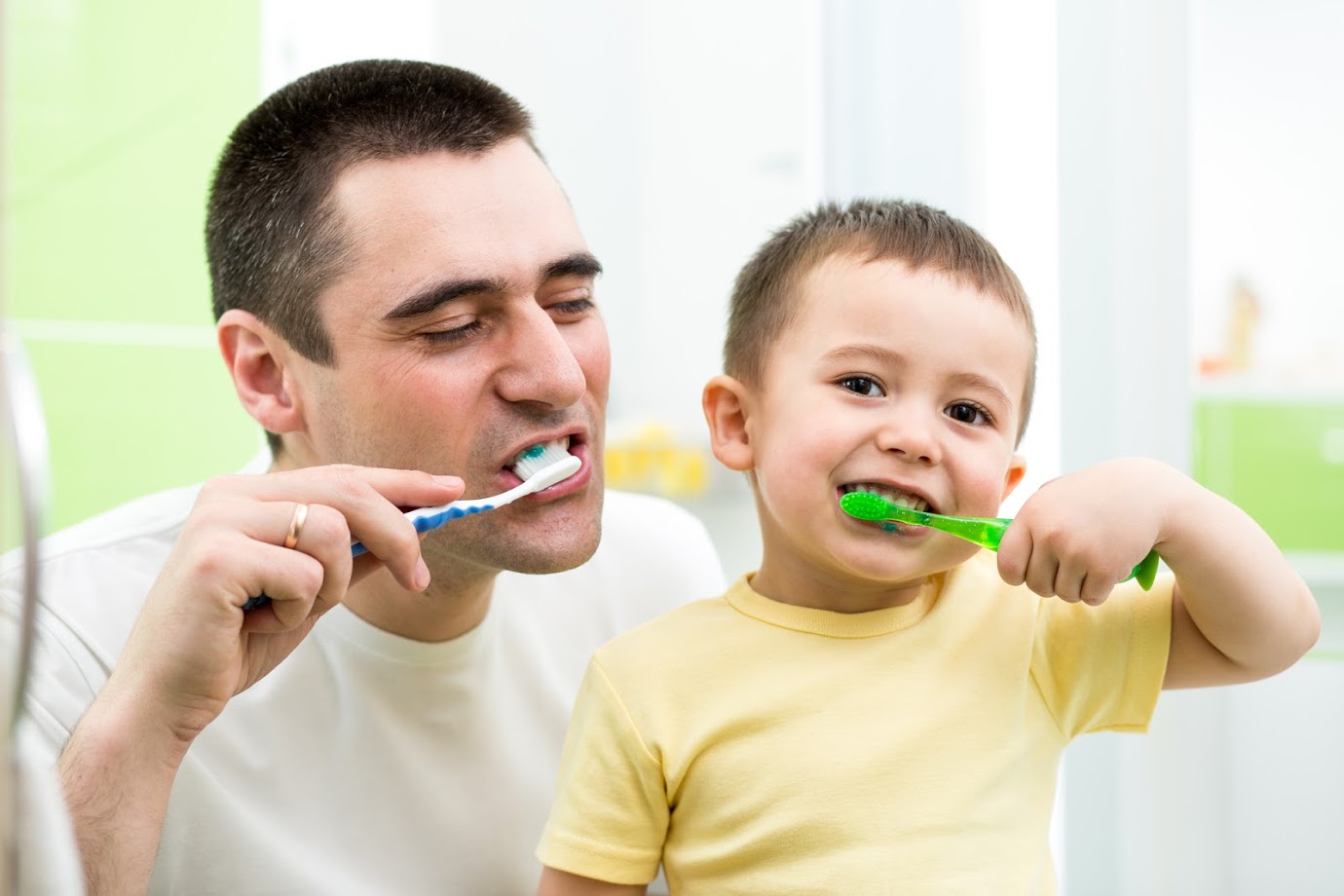
Two minutes may not sound like much to an adult, but it can feel like a very long time to a young child. Making brushing interactive can help. Try playing a two-minute song, using a colorful brushing timer, or choosing a child-friendly electric toothbrush with a built-in timer. Some families enjoy brushing together. When children see their parents practicing good dental habits, they are more likely to understand that brushing is something everyone does. You can also turn brushing into a simple game by dividing the mouth into four sections and spending approximately 30 seconds cleaning each area.
Just remember that having fun should not replace thorough brushing. Children still need to clean the front, back, and chewing surfaces of their teeth.
4. Create a Simple Bedtime Brushing Chart
For children who respond well to visual reminders, a brushing chart can provide extra motivation.
Place a weekly chart on the bathroom wall and let your child add a sticker or checkmark after completing their morning and evening brushing routines.
Rather than rewarding children with candy or sugary treats, consider non-food incentives such as choosing the family's next movie, picking a bedtime story, or enjoying a special activity together.
The important part is recognizing their effort and encouraging consistency.
Over time, the goal is for brushing to become an automatic habit that no longer requires rewards or repeated reminders.
5. Let Your Child Practice, but Continue Supervising
As children grow, they naturally want more independence. Brushing their own teeth can be an excellent opportunity to develop responsibility, but younger children may not have the coordination needed to clean every tooth thoroughly.
One helpful approach is to let your child brush first, then have a parent finish by cleaning any areas they may have missed. Children around ages six or seven may begin developing the skills necessary for more independent brushing, but many still benefit from adult assistance or supervision beyond those ages. Parents should make sure children are brushing for the full two minutes and reaching all tooth surfaces, especially the back molars where plaque can accumulate. For children under age three, use a smear of fluoride toothpaste approximately the size of a grain of rice. Children ages three through six should generally use a pea-sized amount. Supervise toothpaste use and teach children to spit out the excess rather than swallow it.
6. Don't Forget About Flossing
Brushing is essential, but toothbrush bristles cannot effectively clean all the spaces between teeth. Once neighboring teeth touch, flossing becomes an important part of your child's daily dental care. For busy school nights, parents may find that children's floss picks make the process easier than traditional dental floss. Younger children will typically need help reaching between their teeth safely and effectively. Consider making flossing the first step of the nighttime routine, followed by two minutes of brushing. By keeping the steps consistent, children begin to understand that flossing and brushing work together to protect their teeth and gums.
7. Stay Calm and Keep the Routine Consistent
Some nights will be easier than others. Your child may happily brush on Monday and refuse on Tuesday. A late sports practice, school event, or particularly tiring day can disrupt even the most organized family's schedule. When resistance happens, try to avoid turning toothbrushing into an argument. Calm reminders, consistent expectations, and encouragement generally work better than threats or lengthy negotiations.
If your child consistently complains that brushing hurts, pay attention. Tooth sensitivity, irritated gums, loose teeth, or other dental concerns may be contributing to the problem. In those situations, a pediatric dental examination can help identify whether something more than bedtime resistance is involved.
A Simple School-Night Brushing Routine Parents Can Try
Families don't need an elaborate system to develop healthy dental habits. Sometimes, a predictable sequence of activities makes the biggest difference.
Here's an example of an evening routine for an elementary school-aged child:
| Time | Bedtime Activity |
| 7:45 p.m. | Finish evening snacks and drinks other than water |
| 7:50 p.m. | Prepare backpack and clothes for the next school day |
| 8:00 p.m. | Floss and brush teeth for two minutes |
| 8:05 p.m. | Change into pajamas and prepare for bed |
| 8:15 p.m. | Read a bedtime story or enjoy quiet family time |
| 8:30 p.m. | Lights out |
Every family has a different schedule, so these times are simply an example. The important part is finding a routine that works for your child's age, school schedule, and bedtime needs.
Families throughout Frankfort, Manhattan, New Lenox, and Orland Park know how quickly evenings can fill with homework, sports practices, and school activities. Establishing a familiar sequence can make dental care easier to maintain even when life gets busy.
What if Your Child Still Refuses to Brush Their Teeth?
If brushing continues to be a nightly struggle, it may be time to look more closely at what is causing the resistance. Some children have sensory sensitivities and may dislike certain toothpaste flavors, strong mint sensations, or the vibration of an electric toothbrush. Others may have experienced discomfort while brushing and now associate the activity with something unpleasant. Parents can experiment with a soft-bristled toothbrush, a different child-appropriate fluoride toothpaste flavor, or a quieter brushing environment.
For children who become overwhelmed by multiple instructions, try breaking the routine into smaller steps and offering encouragement after each one. If resistance continues or brushing causes discomfort, discuss your concerns with your child's pediatric dentist. They can evaluate your child's oral health and recommend age-appropriate strategies.
Building Healthy Smiles, One Bedtime at a Time
Teaching children to care for their teeth isn't always easy, especially at the end of a long school day. But developing good oral hygiene habits during childhood can have benefits that last well beyond the elementary school years. The key is to remain patient, provide age-appropriate guidance, and make brushing a consistent part of your family's evening routine.
At Treasured Smiles Pediatric Dentistry, we believe helping children feel comfortable and confident about dental care begins at home. Our team enjoys working with parents to provide practical guidance that supports healthy smiles as children grow.
Pediatric Dental Care for Families in Frankfort, Manhattan, New Lenox, and Orland Park
Treasured Smiles Pediatric Dentistry welcomes children and families from Frankfort, Manhattan, New Lenox, Orland Park, and surrounding Will County communities. Our pediatric dental team provides preventive care, routine examinations, professional cleanings, and personalized oral health education to help children develop healthy dental habits.
If bedtime brushing has become a challenge, or your child is due for a routine dental visit, we're here to help. Contact Treasured Smiles Pediatric Dentistry at 815-806-1600 or visit www.treasuredsmilesdentistry.com to schedule an appointment.
A little patience and a consistent nighttime routine can go a long way toward keeping your child's smile healthy.