
Protecting Your Child's Smile: Why Mouthguards Matter in Youth Sports
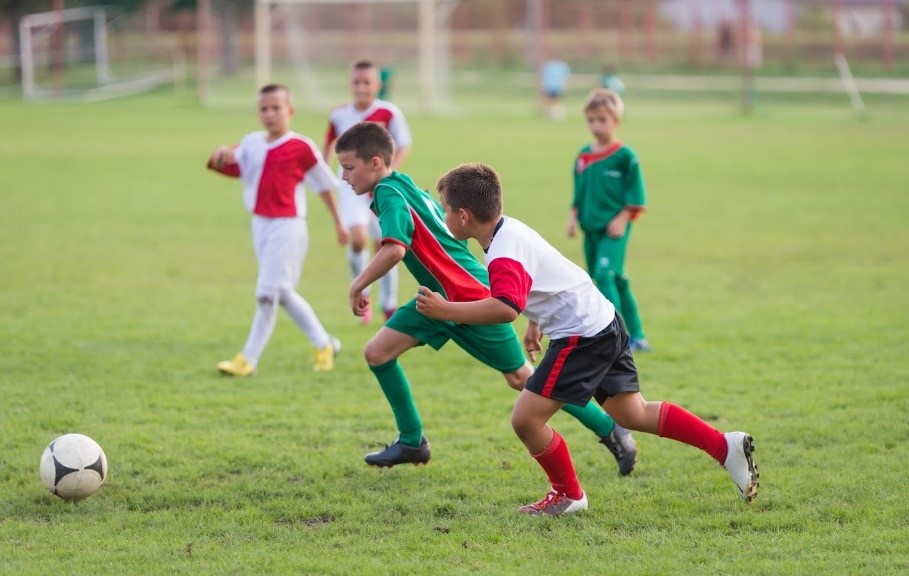 Playing sports is a wonderful way for children to stay active, build confidence, make friends, and develop teamwork skills. Whether your child plays football, basketball, baseball, soccer, or another sport, there is always some risk of injury. While parents often think about helmets, pads, and other protective equipment, protecting their child's teeth and mouth is just as important.
At Treasured Smiles Pediatric Dentistry in Frankfort, IL, we encourage parents to make dental protection part of their child's regular sports routine. A properly fitted mouthguard is one of the simplest ways to reduce the risk of chipped, broken, or knocked-out teeth during athletic activities.
Why Are Mouthguards Important for Children Playing Sports?
Sports-related dental injuries can happen in seconds. An accidental elbow during a basketball game, a collision on the soccer field, or a fall while riding a bicycle can result in injuries to a child's teeth, lips, tongue, or gums.
A mouthguard creates a protective cushion around the teeth, helping absorb and distribute some of the force from an impact. Although mouthguards cannot prevent every injury, they can reduce the likelihood and severity of dental trauma.
Common sports-related mouth injuries include:
- Chipped, cracked, or broken teeth
- Knocked-out or displaced teeth
- Cuts to the lips, cheeks, and tongue
- Injuries to the gums and surrounding soft tissues
- Damage to existing dental restorations
An injury to a permanent tooth can sometimes require extensive treatment and ongoing dental care. Taking preventive measures before children step onto the field or court can help protect their developing smiles.
Which Youth Sports Require Mouthguards?
Many parents associate mouthguards with football and hockey, but dental injuries are not limited to contact sports. Basketball, baseball, softball, soccer, and other activities can also expose children to unexpected impacts.
The American Academy of Pediatric Dentistry recommends properly fitted mouthguards for sports and recreational activities that carry a risk of injury to the teeth or mouth.
Children should consider wearing mouthguards when participating in activities such as:
- Football and flag football
- Basketball
- Soccer
- Baseball and softball
- Wrestling
- Hockey and lacrosse
- Martial arts
- Skateboarding, biking, and similar recreational activities
Even when a league does not require a mouthguard, wearing one can provide valuable protection. Parents should check the equipment requirements for their child's sport and consider the potential for dental injuries during both games and practices.
What Type of Mouthguard Is Best for Growing Children?
One question parents frequently ask is whether their child needs an expensive, professionally fabricated mouthguard.
At Treasured Smiles Pediatric Dentistry, we generally recommend affordable boil-and-bite mouthguards for growing children rather than investing in custom-made mouthguards.
The reason is simple: children's mouths are constantly changing.
As baby teeth fall out, permanent teeth erupt, and existing teeth shift into position, the shape of a child's mouth changes. A mouthguard that fits properly today may become uncomfortable or ineffective as those changes occur.
Custom-fabricated mouthguards can offer excellent protection when properly designed and fitted. However, they can also be costly, particularly when a growing child needs a replacement because their teeth have changed. For many young athletes, a good-quality boil-and-bite mouthguard offers a more affordable and practical solution.
Why We Recommend Boil-and-Bite Mouthguards
Boil-and-bite mouthguards are available at sporting goods stores. These mouthguards are designed to soften when placed in hot water according to the manufacturer's instructions. Once softened and cooled to the appropriate temperature, the material is molded around the child's teeth to create a more personalized fit.
Some benefits include:
- Affordability: They generally cost less than professionally fabricated mouthguards.
- Adjustable fit: They can be molded to accommodate the child's current tooth positioning.
- Easy replacement: Parents can purchase a new mouthguard as their child's teeth grow and change.
- Convenience: They are readily available at sporting goods stores.
- Protection: When properly fitted and worn, they help reduce the risk of sports-related dental injuries.
Treasured Smiles does not fabricate custom sports mouthguards in our office or send them to a dental laboratory. Instead, we encourage parents to choose an appropriate boil-and-bite mouthguard and replace it regularly as their child grows.
How Often Should Children Replace Their Sports Mouthguards?
Unlike adults, children's teeth and jaws can change considerably over a relatively short period. This makes checking the fit of a sports mouthguard especially important.
We recommend that parents regularly inspect their child's mouthguard and be prepared to replace it frequently throughout their growing years.
A new mouthguard may be needed when:
- Baby teeth fall out or permanent teeth begin erupting
- Teeth shift and the mouthguard no longer fits comfortably
- The mouthguard becomes loose or no longer stays in place
- The material develops cracks, tears, or worn areas
- Your child has difficulty speaking or breathing comfortably while wearing it
- The mouthguard becomes distorted or damaged
Checking the fit before each new sports season is a good habit. For younger children who are actively losing baby teeth, replacement may be necessary more often. An inexpensive mouthguard that fits correctly is generally a better choice than continuing to use an expensive one that no longer fits properly.
How Should a Sports Mouthguard Fit?
A properly fitted mouthguard should feel comfortable enough that your child is willing to wear it consistently during practices and games. Ideally, the mouthguard should fit securely over the teeth without requiring constant biting or clenching to keep it in position. Your child should also be able to breathe comfortably and communicate while wearing it.
When preparing a boil-and-bite mouthguard, parents should carefully follow the manufacturer's instructions, particularly those involving hot water and molding temperatures. Adult supervision is important. If the mouthguard feels bulky, causes discomfort, or does not stay securely in place, it may need to be remolded if permitted by the manufacturer or replaced with a different size or design.
Caring for Your Child's Sports Mouthguard
Just like other protective sports equipment, mouthguards require regular cleaning and proper storage. After each practice or game, your child should rinse their mouthguard and clean it according to the manufacturer's instructions. It should be allowed to dry and stored in a clean, ventilated protective case.
Avoid leaving mouthguards in hot cars or exposing them to excessive heat, which can cause the material to warp. Parents should also remind children not to share mouthguards with teammates or chew on them between plays. Both habits can interfere with proper fit and hygiene.
What Should Parents Do if Their Child Injures a Tooth During Sports?
Even when children wear protective equipment, accidents can happen. Knowing how to respond to a dental injury can make an important difference. If your child chips, cracks, loosens, or knocks out a tooth, contact a dentist promptly for guidance.
If a permanent tooth is completely knocked out, seek immediate dental care. Handle the tooth by the crown rather than the root. If it is dirty, gently rinse it without scrubbing. If it can be safely repositioned, place it back into the socket; otherwise, keep it moist in milk or an appropriate tooth-preservation solution while obtaining urgent care. Never attempt to reinsert a knocked-out baby tooth, as doing so can damage the permanent tooth developing underneath.
Dental injuries may not always be immediately obvious. A tooth can sustain damage even when there is no visible crack or bleeding. Persistent pain, sensitivity, swelling, or a change in tooth color should be evaluated by a dental professional. If your child experiences a significant head injury, loss of consciousness, or other concerning symptoms, seek emergency medical attention.
Helping Young Athletes Develop Healthy Dental Habits
Sports are an important part of childhood for many families throughout Frankfort, Manhattan, New Lenox, and Orland Park. Whether children are participating in school athletics, community leagues, or recreational activities, protecting their smiles should be part of preparing for each season.
At Treasured Smiles Pediatric Dentistry, we believe preventive dental care extends beyond regular checkups and cleanings. Helping parents understand how to protect their children's teeth during everyday activities is an important part of supporting lifelong oral health. A properly fitted mouthguard is a small investment that can help prevent painful injuries and potentially costly dental treatment. As your child grows, replacing their mouthguard when necessary can help maintain that protection.
Pediatric Dental Care for Families in Frankfort and Surrounding Communities
Dr. Steve Kuhn, Dr. Dennis LaMonte, and the team at Treasured Smiles Pediatric Dentistry are committed to helping children develop healthy smiles from infancy through adolescence.
Our pediatric dental office in Frankfort welcomes families from Manhattan, New Lenox, Orland Park, and surrounding communities. We provide preventive dental care, education, and treatment designed around the changing needs of growing children.
If you have questions about protecting your child's teeth during sports or would like to schedule a routine dental examination, contact Treasured Smiles Pediatric Dentistry or call 815-806-1600.
Healthy smiles deserve protection, both on and off the field.