
How Pediatric Dentists Work with Children Who Have Severe Dental Anxiety
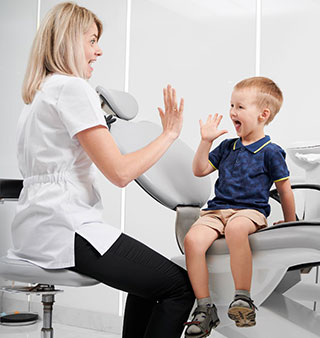 Pediatric dentists specialize in caring for children whose fear of the dentist makes routine care and necessary treatment difficult. Combining child-focused communication, behavior management techniques, clinical modifications, and, when appropriate, pharmacologic support, pediatric dental teams create a safer, calmer experience that protects oral health while respecting a child's emotional needs.
How Do Pediatric Dentists Prepare the Clinic Environment for Anxious Children?
Pediatric practices are designed to reduce fear from the moment a family arrives. Waiting areas often feature child-friendly decor, toys, and media to create a welcoming atmosphere. Clinical rooms use soothing colors, distraction tools such as ceiling screens or music, and instruments organized to minimize visual alarms. Staff training emphasizes calm, consistent approaches so every interaction reinforces safety and predictability for the child.
How Do Pediatric Dentists Communicate with Children to Reduce Dental Anxiety?
Effective communication relies on age-appropriate language, positive framing, and stepwise explanations. Dentists and hygienists use short, concrete phrases, avoid scary words, and describe procedures in terms children understand. They allow children to ask questions, offer choices, when possible (e.g., which flavored toothpaste), and use praise for cooperation. For many children, knowing what will happen next and feeling heard significantly lowers anticipatory fear.
What Behavior Management Techniques Do Pediatric Dentists Use?
- Tell-Show-Do: Explain a procedure, demonstrate with nonthreatening gestures or instruments, then perform the procedure.
- Positive Reinforcement: Immediate praise, stickers, or small rewards for cooperation to build confidence.
- Distraction Strategies: Use of video goggles, music, storytelling, or interactive toys to shift focus away from treatment.
- Modeling: Having a sibling or parent demonstrate a calm checkup to show the child it's safe.
- Systematic Desensitization: Gradual exposure across multiple brief visits to build tolerance for specific procedures.
- Parental Presence/Absence Decisions: Tailored choices about whether a parent stays, based on the child's needs and clinical judgment.
- Voice Control and Nonverbal Cues: Modulated tone and gentle touch to guide behavior without escalating fear. These techniques are chosen based on the child's developmental level, previous experiences, and the procedure's complexity.
When Is Pharmacologic Support Recommended for Severe Dental Anxiety?
When behavioral strategies alone are insufficient or when extensive treatment is needed, pediatric dentists may recommend sedation or general anesthesia. Options range from nitrous oxide (laughing gas) for mild-to-moderate anxiety to oral or intravenous sedation for more significant fear, and general anesthesia for complex or long procedures. Decisions weigh the child's medical history, anxiety severity, and treatment goals, with informed consent and clear explanations for parents about risks, benefits, and recovery.
How Do Pediatric Dentists Involve Parents and Coordinate Care?
Parents play a central role in preparing and supporting anxious children. Dentists provide anticipatory guidance, rehearsal tips, and clear instructions for pre-appointment routines. Multidisciplinary coordination—referrals to pediatricians, child psychologists, or anesthesiologists—ensures comprehensive care when anxiety intersects with broader behavioral or medical issues. Practices also plan follow-up visits to reinforce positive experiences and prevent relapsing into fear.
How Do Pediatric Dentists Measure Success When Treating Severe Dental Anxiety?
Success is measured by the child's ability to receive necessary care with minimal distress, improved oral health outcomes, and increased cooperation over time. Small, incremental gains—shorter wait times, fewer panic episodes, and easier checkups—signal progress. Families are encouraged to report behavioral changes so teams can adapt strategies.
Note: Attempting unproven home remedies or unsupervised techniques can worsen anxiety and lead to more complex problems and costs, so professional guidance is recommended.
Pediatric dentists use a layered, child-centered approach—environmental design, tailored communication, behavioral techniques, and appropriate pharmacologic options—to help children with severe dental anxiety receive safe, effective care while building long-term trust in dental health.
Are You Looking for a Pediatric Dentist in Frankfort?
If you are looking for a pediatric dentist in Frankfort, New Lenox, Manhattan, or Mokena, contact us at Treasured Smiles Pediatric Dentistry. Our team is dedicated to providing comprehensive care to children and adolescents in the Frankfort area. From early dental care to complicated procedures, Treasured Smiles Pediatric Dentistry has one goal: to make sure your children receive the best dental care and health available.